Rules

To maintain a respectful and fair environment, all users of the photography voting and ranking website must adhere to the following community rules: Users should only upload original content they own the rights to, and any form of plagiarism or copyright infringement is strictly prohibited. Voting must reflect genuine opinion—vote manipulation through multiple accounts, bots, or vote trading is not allowed. Constructive feedback is encouraged, but comments must remain respectful and free of hate speech, harassment, or offensive language. Any attempts to game the ranking system or undermine the integrity of the platform will result in suspension or removal. By participating, users agree to uphold these standards to ensure a positive and inspiring community for photographers of all skill levels.


Image containg text RULES

Caveman clubs

  • A caveman with a club

    Clubs that go BONK!

    Cavemen used clubs as one of their earliest and simplest tools for hunting, protection, and survival. These clubs were typically made from sturdy tree branches, selected for their thickness and weight. Cavemen might have sharpened one end of the club or attached stones with animal sinew to increase its effectiveness. Clubs served as close-range weapons to fend off predators or to strike down prey, especially before the widespread use of spears or bows. Their simplicity made them easy to create and repair, making them essential tools for everyday life in the prehistoric world.

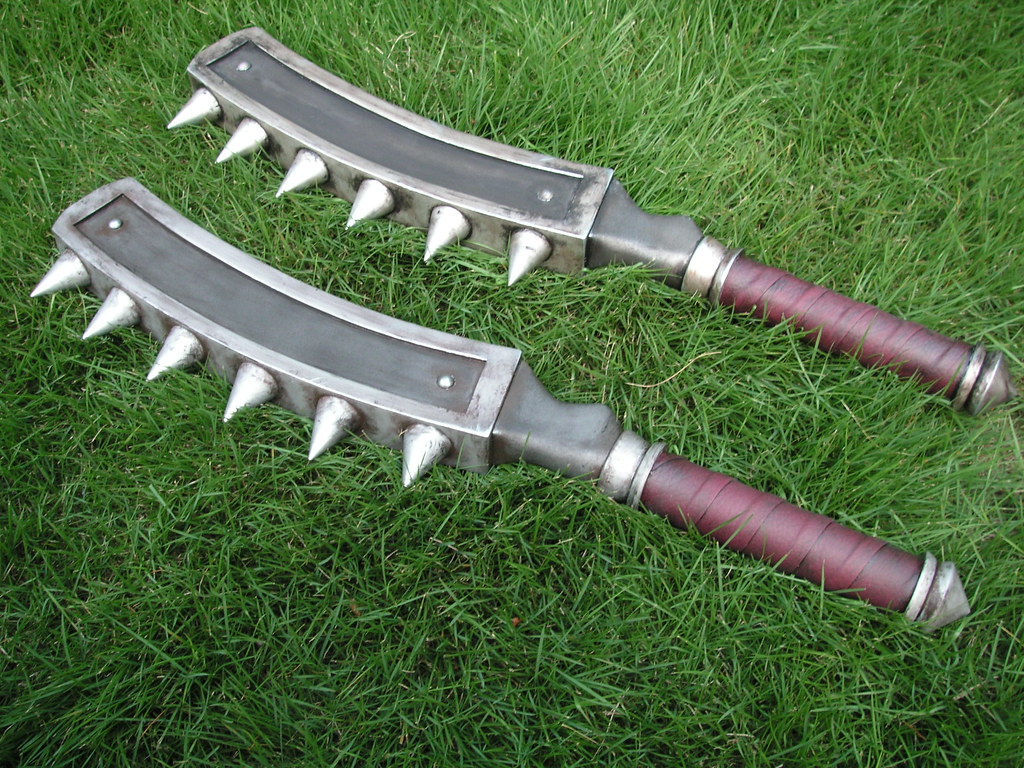
  • Metal club with spikes

    Protect and smash

    Beyond hunting, clubs also had social and defensive uses among early human groups. They could be used in conflicts with rival groups or during disputes within a tribe. Some anthropologists believe certain clubs were even symbolic, serving as status symbols for tribal leaders or warriors. As societies evolved, so did the construction and use of these weapons—eventually influencing the development of more complex tools and weapons. Despite their primitive design, clubs were vital for the survival and development of early human civilization.

  • Large man strains to use club

    Other uses

    In addition to their practical uses, clubs may have played a role in early ritualistic or ceremonial practices among cavemen. Archaeological findings suggest that certain clubs were more elaborately carved or decorated, indicating they may not have been used solely for combat or hunting. These adorned clubs could have held spiritual or cultural significance, perhaps used in rites of passage, tribal gatherings, or to represent a warrior’s achievements. Such symbolic use highlights the evolving relationship early humans had with their tools—not just as survival implements, but as extensions of identity and community tradition.

Dance clubs

In the context of dance clubs, the term "club" refers to lively social venues where people gather to enjoy music, dance, and nightlife. These clubs often feature DJs or live performers who play a range of music genres, from electronic and hip-hop to pop and house. Dance clubs are known for their energetic atmosphere, flashing lights, and vibrant crowds, creating a space where individuals can unwind, express themselves, and connect with others. Often open late into the night, these venues play a significant role in urban culture and entertainment, serving as hubs for celebration, creativity, and social interaction..

  • Dance club with no people in it
  • Dance club with people in it
  • Silhouettes of people dancing under club lighting

Sports clubs

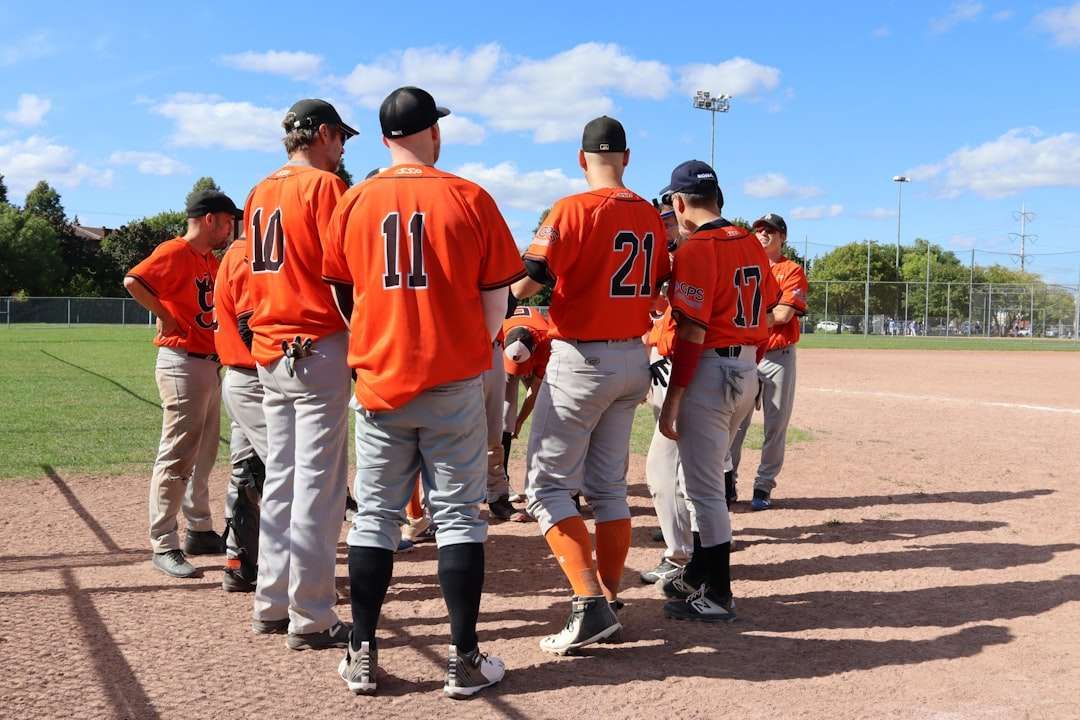
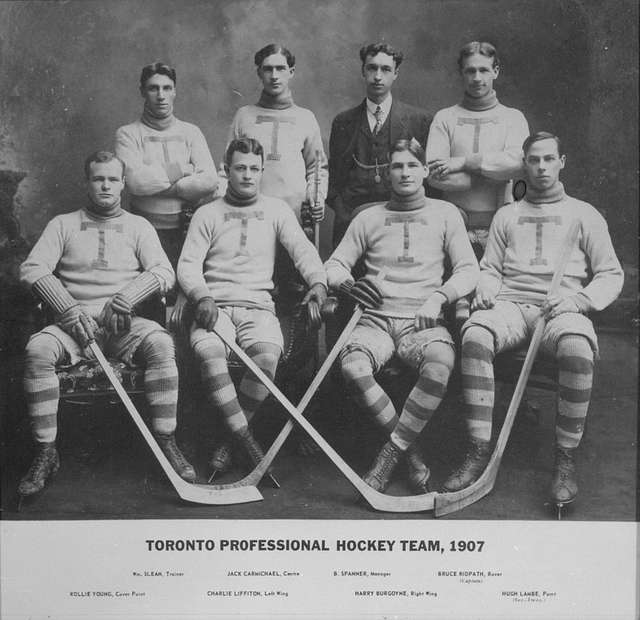
Sports clubs are organized groups that bring together individuals with a shared interest in a particular sport or physical activity. These clubs can range from amateur community teams to professional organizations, and they often provide structured training, competitive opportunities, and social engagement for their members. Whether focused on soccer, tennis, swimming, or martial arts, sports clubs play a vital role in promoting health, discipline, teamwork, and sportsmanship. Many also serve as developmental platforms for young athletes, offering coaching and support to help them progress in their chosen sport. Beyond competition, sports clubs foster a strong sense of community and belonging among their members.

Juventus football club team photo Photo of a baseball club team B&W Photo of Toronto Hockey Team 1907